Vanbrugh300 at Stowe House
2026: Our Vanbrugh300 year
What a year it has been for Vanbrugh300 at Stowe House. Since the spring, we have been looking at Stowe through the eyes of Sir John Vanbrugh, with lectures, an exhibition, tours, family activities and events revealing just how much this extraordinary architect contributed to the estate.
Presented by the Georgian Group and supported by the National Lottery Heritage Fund, Vanbrugh300 marks 300 years since Vanbrugh’s death and brings together six of the historic places most closely associated with his work.
Here at Stowe, much of our programme has now taken place, but we are not quite finished yet. With two lectures still to come, including our final event in October, there is time to join us before our Vanbrugh300 celebrations draw to a close.
Who was Sir John Vanbrugh?
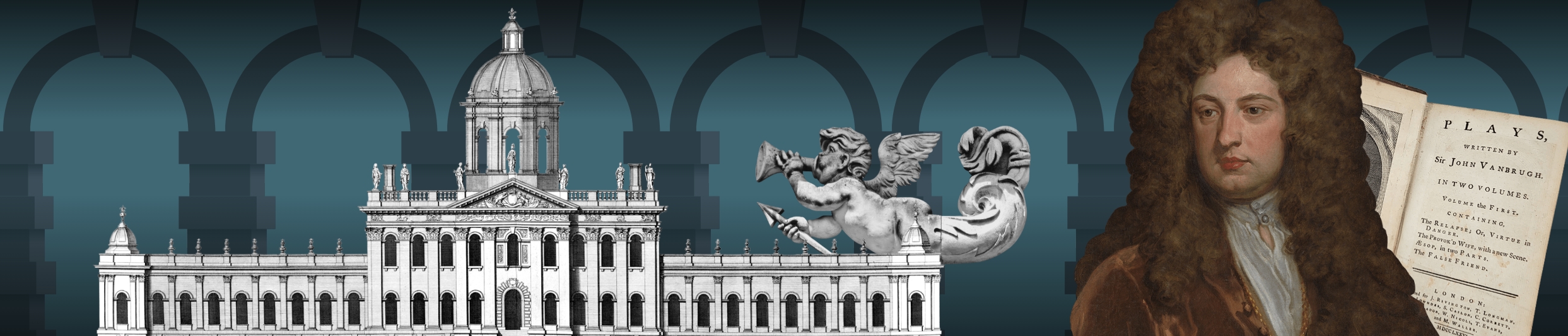
Architect, playwright and political figure, Sir John Vanbrugh was one of the more colourful characters of his age. His architectural career produced some of Britain’s most dramatic country houses, yet his influence at Stowe was shaped as much by friendship and shared ideas as by formal commissions.
Vanbrugh and Richard Temple, 1st Viscount Cobham, were both members of the Kit-Cat Club, an influential circle that brought together prominent Whig politicians, aristocrats, writers and cultural figures.
At Stowe, Vanbrugh became more than an architectural consultant. He was Cobham’s friend and developed a genuine affection for the estate. In 1725 he described Stowe as ‘a place now so agreeable’ that he ‘had much ado to leave it at all’.
Three hundred years after his death, traces of that relationship can still be found across Stowe.

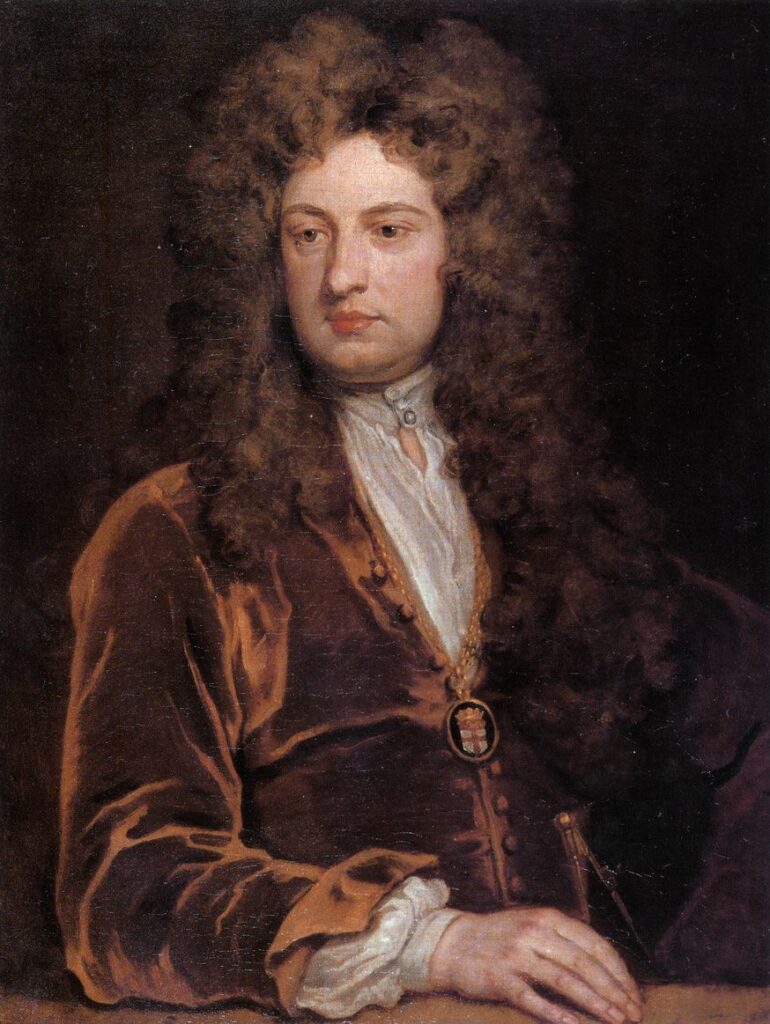
Sir John Vanbrugh by Sir Godfrey Kneller, circa 1705. © National Portrait Gallery, London
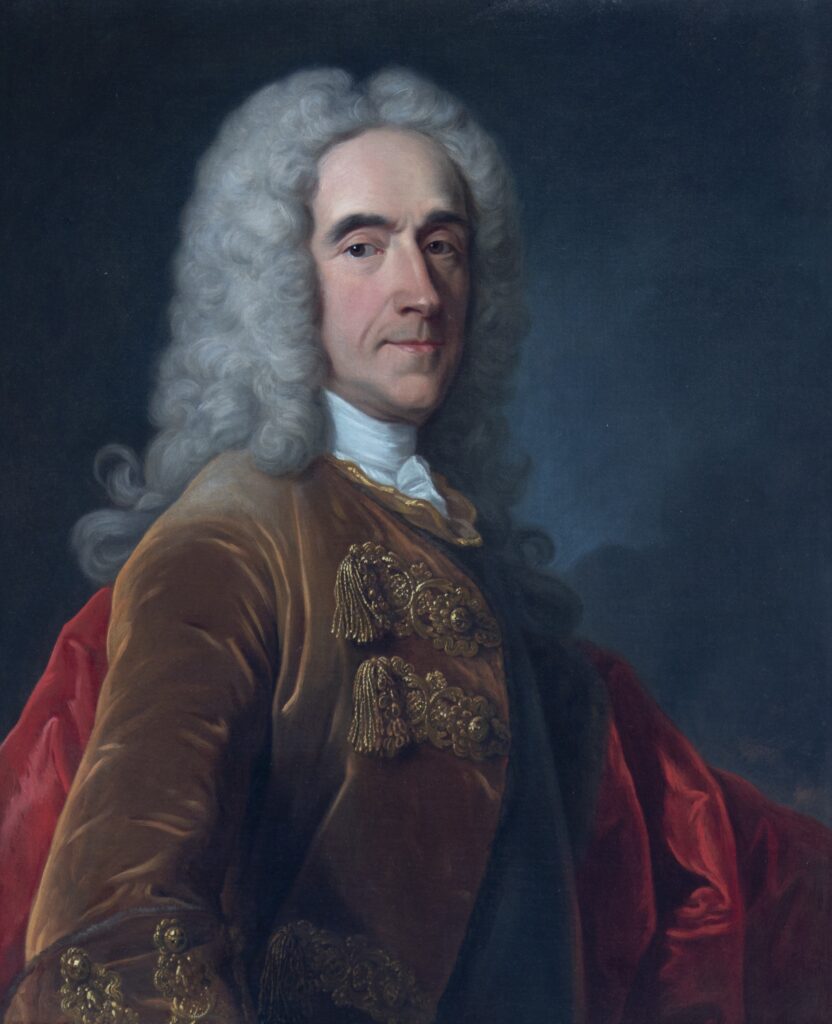
Richard Temple, 1st Viscount Cobham,
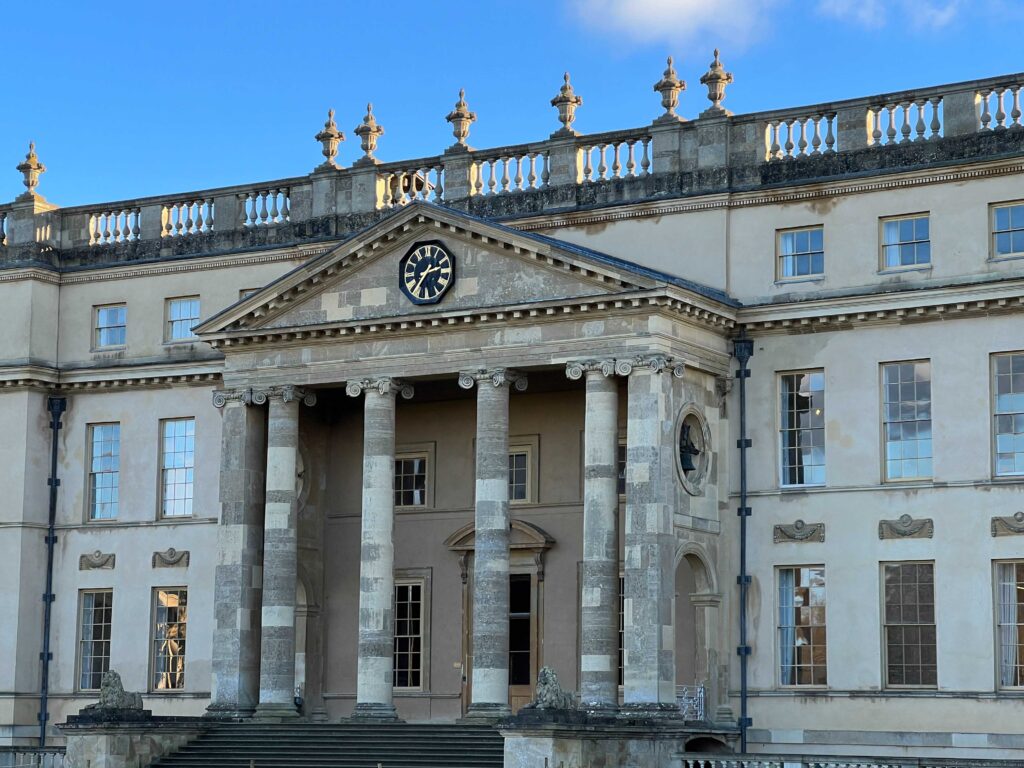
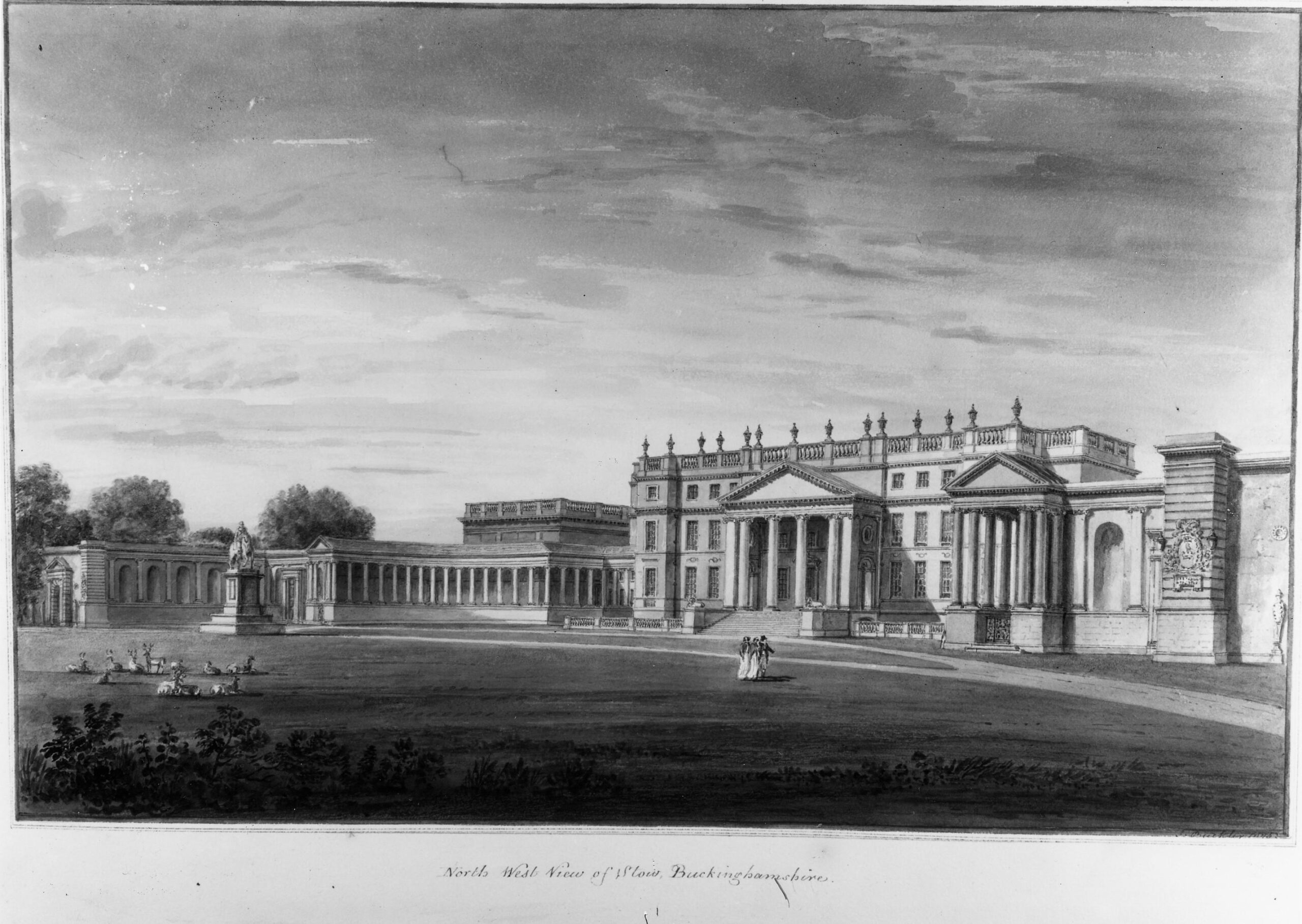
The Vanbrugh Portico on the North Front of Stowe House ©Stowe House Preservation Trust
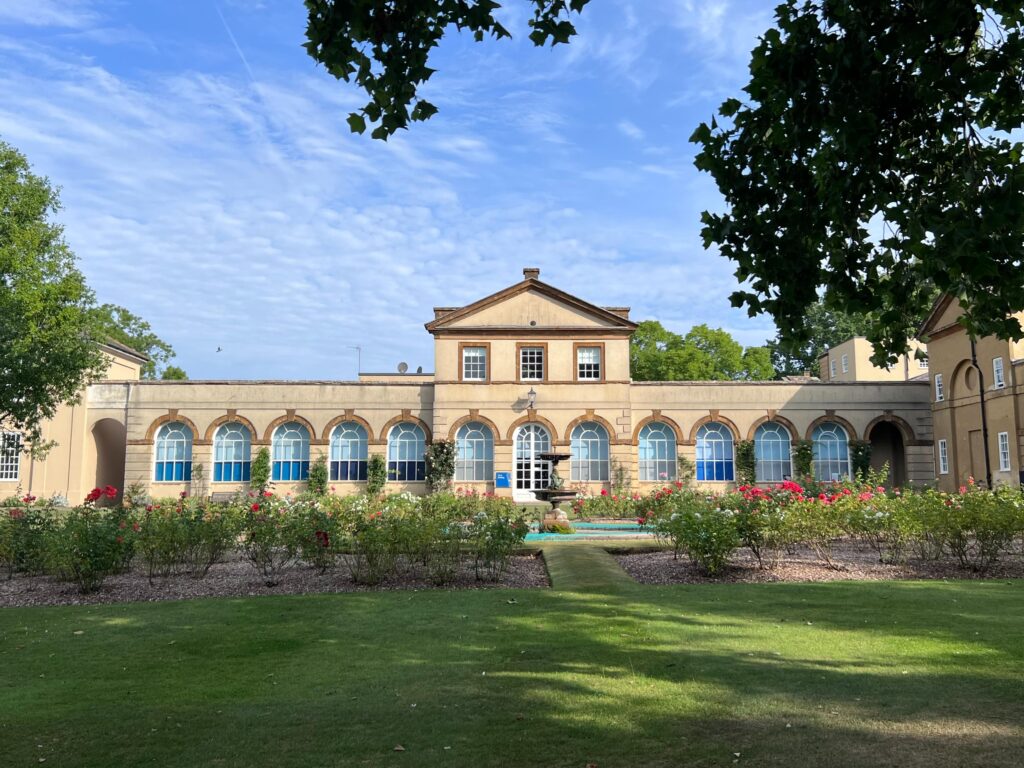
Vanbrugh designed Orangery at Stowe House ©Stowe House Preservation Trust
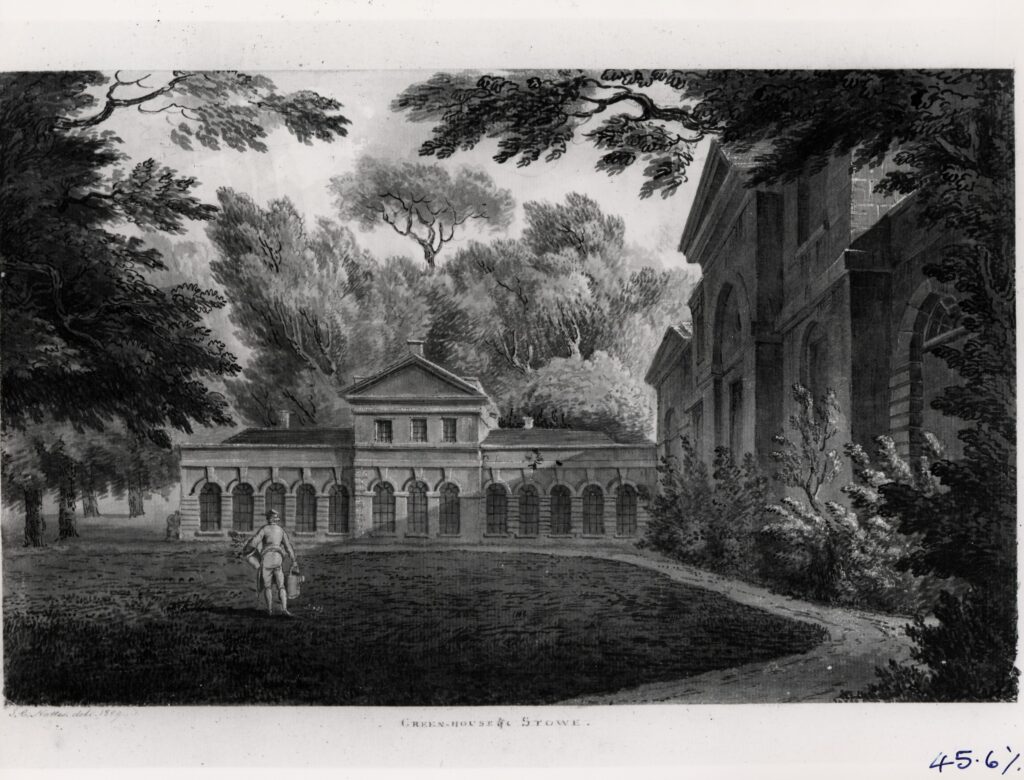
View of the Vanbrugh Orangery from south by J.C.Nattes 1809
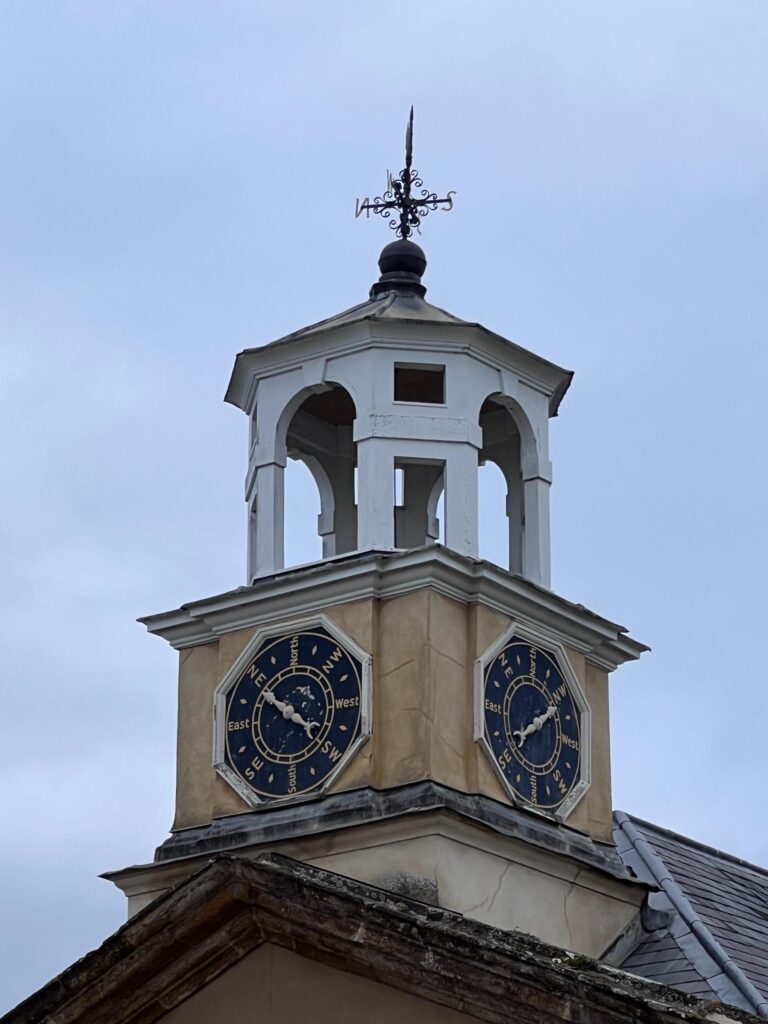
The Vanbrugh designed cupola, with weather vane on top of what was the Stables in Stable Court ©Stowe House Preservation Trust
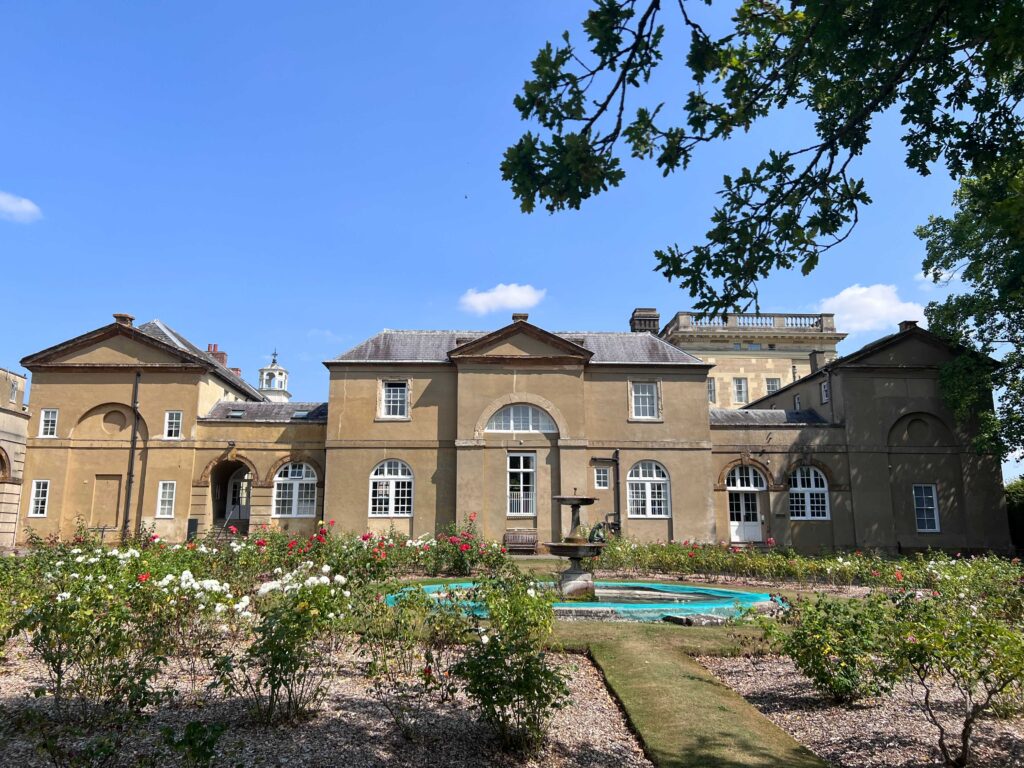
The West Offices - designed by Vanbrugh, once the Maid's Accomodation and Laundry ©Stowe House Preservation Trust
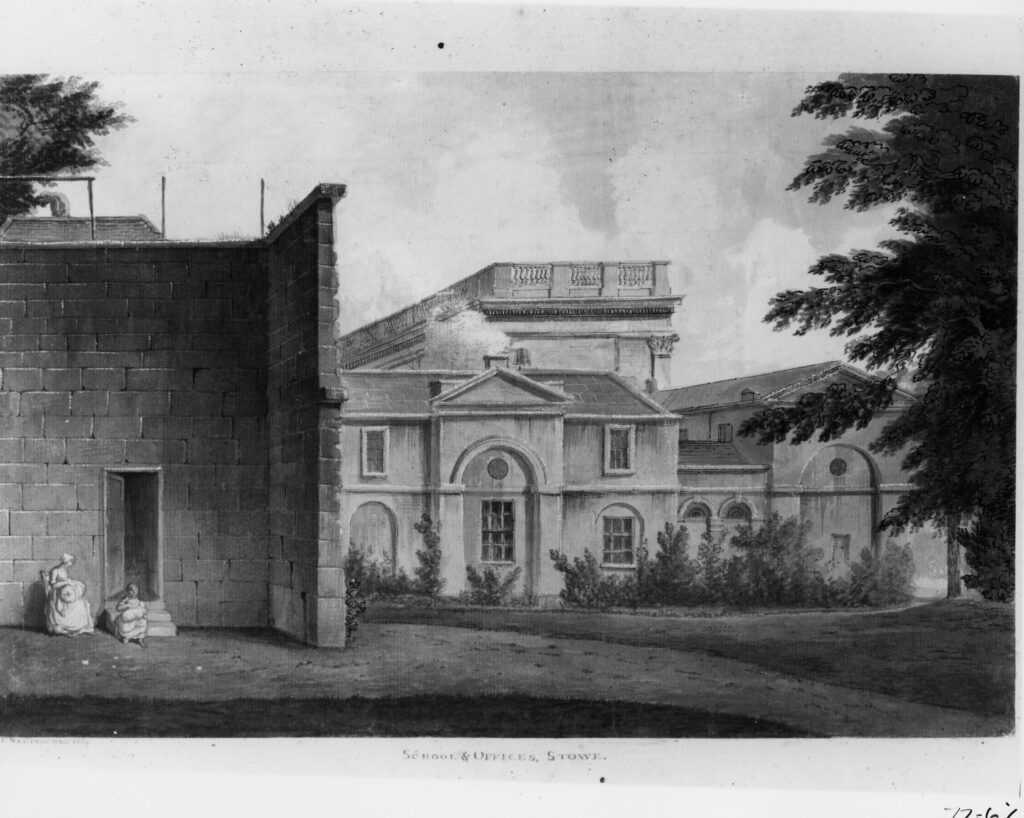
View of the Vanbrugh designed Orangery at Stowe. from West towards the Offices by J.C.Nattes 1809
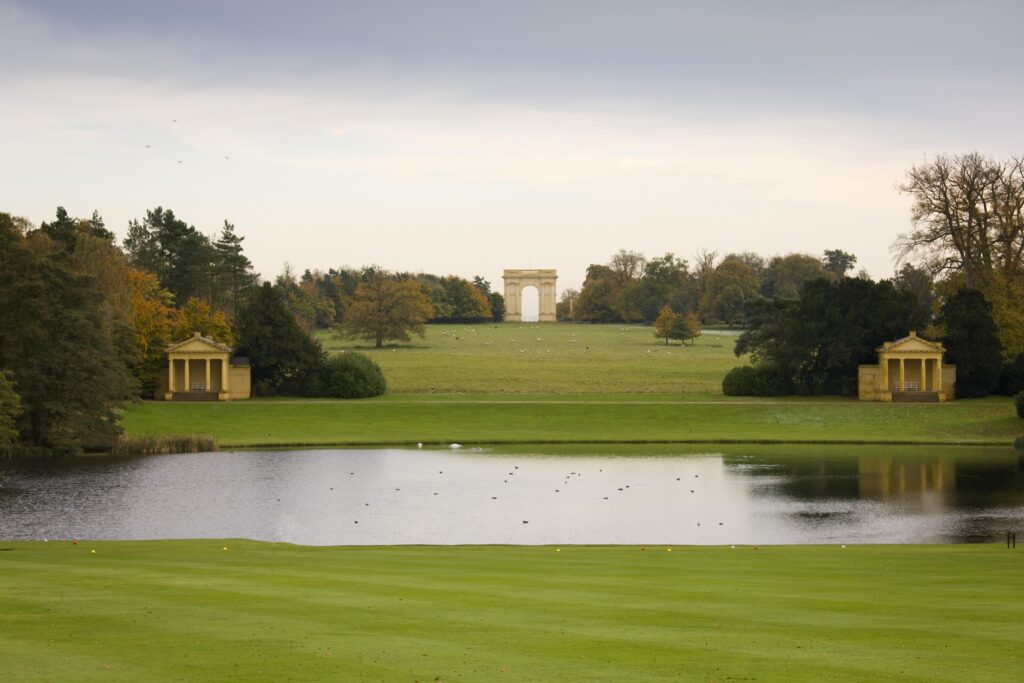
View across the Octagon Lake towards Vanbrugh's Lake Pavilions and Corinthian Arch ©National Trust Images Rod Edwards
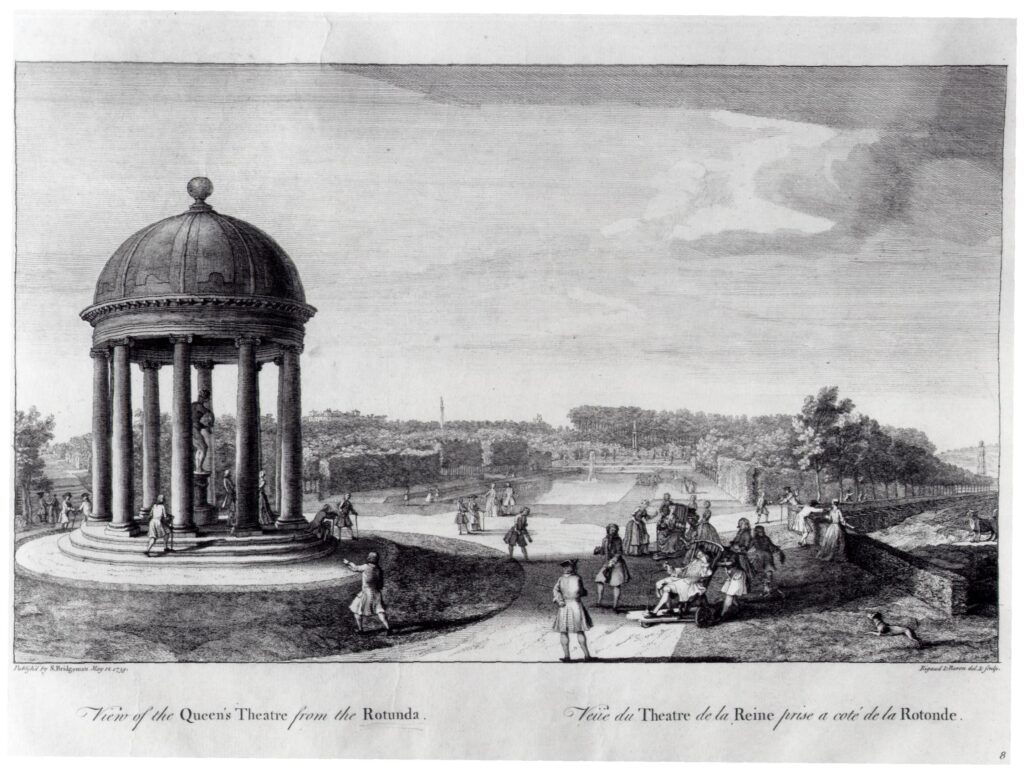
View of Vanbrugh's Rotunda in the garden at Stowe with a gilded statue of the Goddess Venus from a Riguard engraving and published by Sarah Bridgeman.
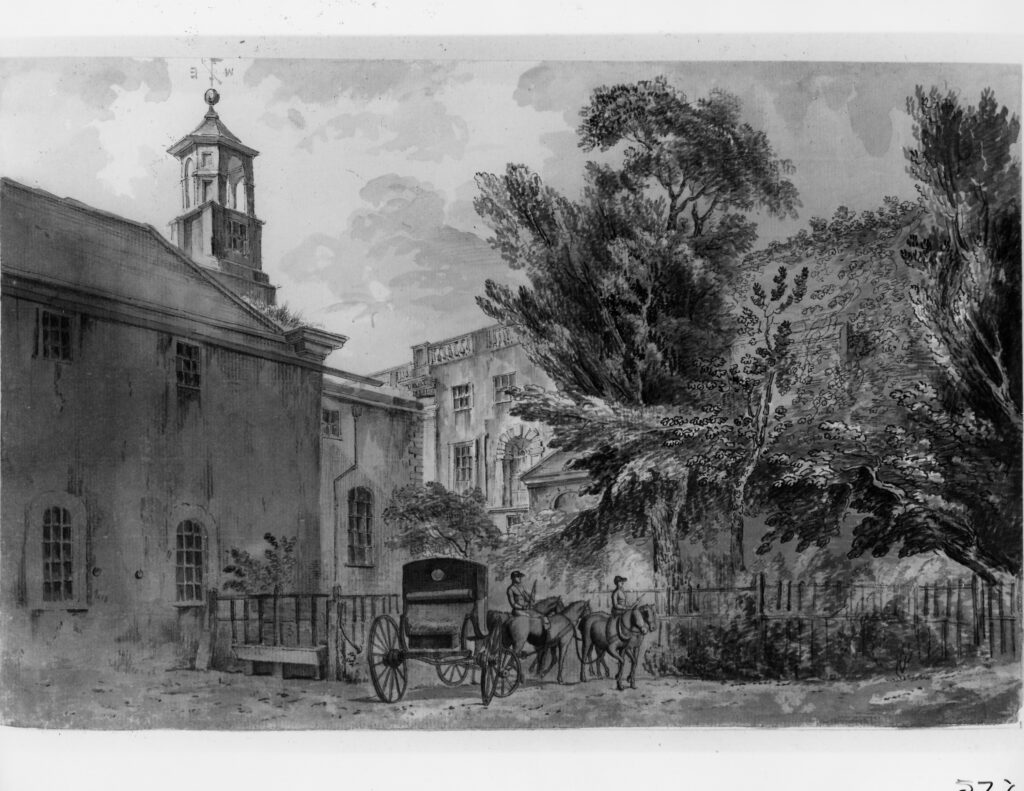
Stable Court (now Cobham Court) drawing by J.C.Nattes 1809 with Vanbrugh designed offices on the East of the house with stables, coach house & wagon house
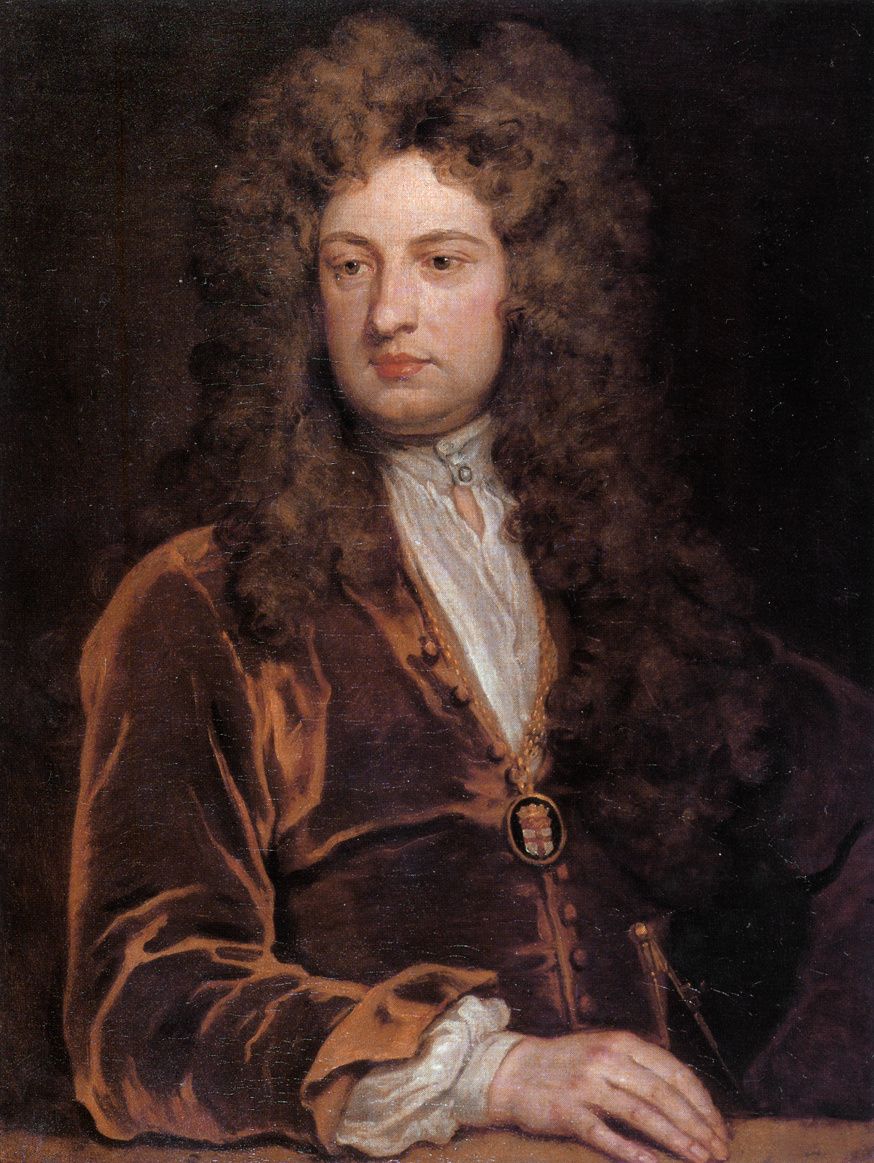
Sir John Vanbrugh by Sir Godfrey Kneller, circa 1705. © National Portrait Gallery, London
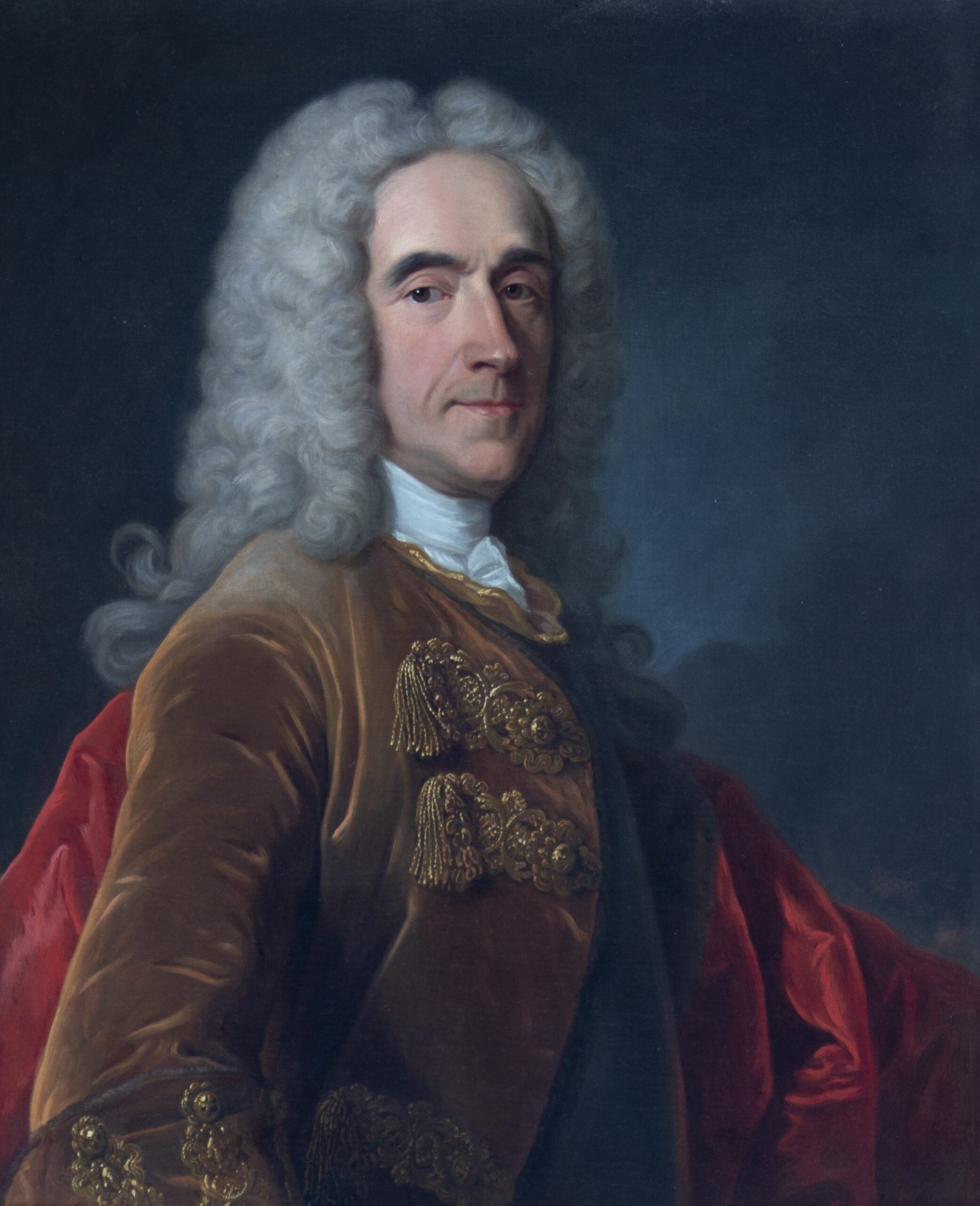
Richard Temple, 1st Viscount Cobham,
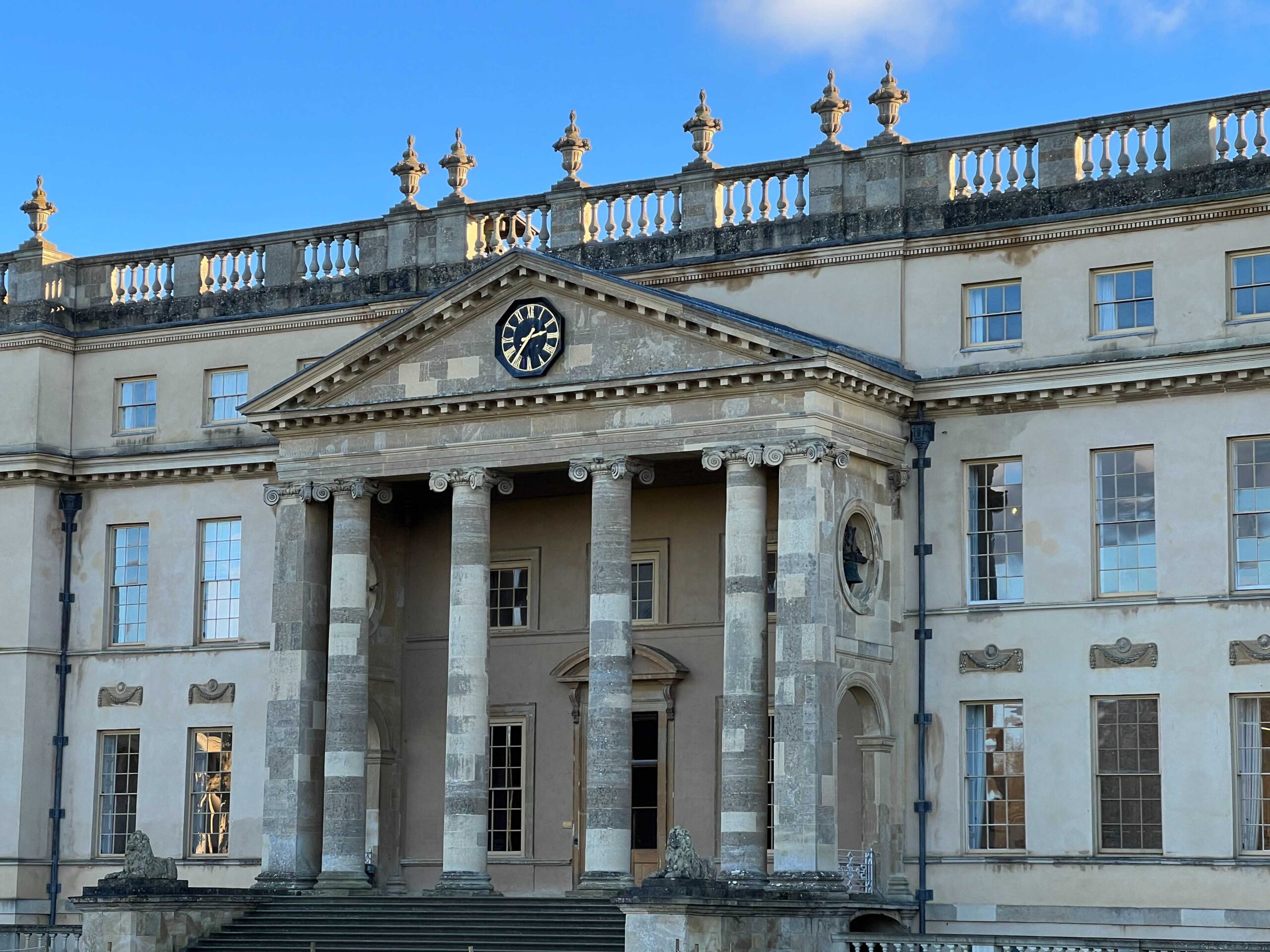
The Vanbrugh Portico on the North Front of Stowe House ©Stowe House Preservation Trust
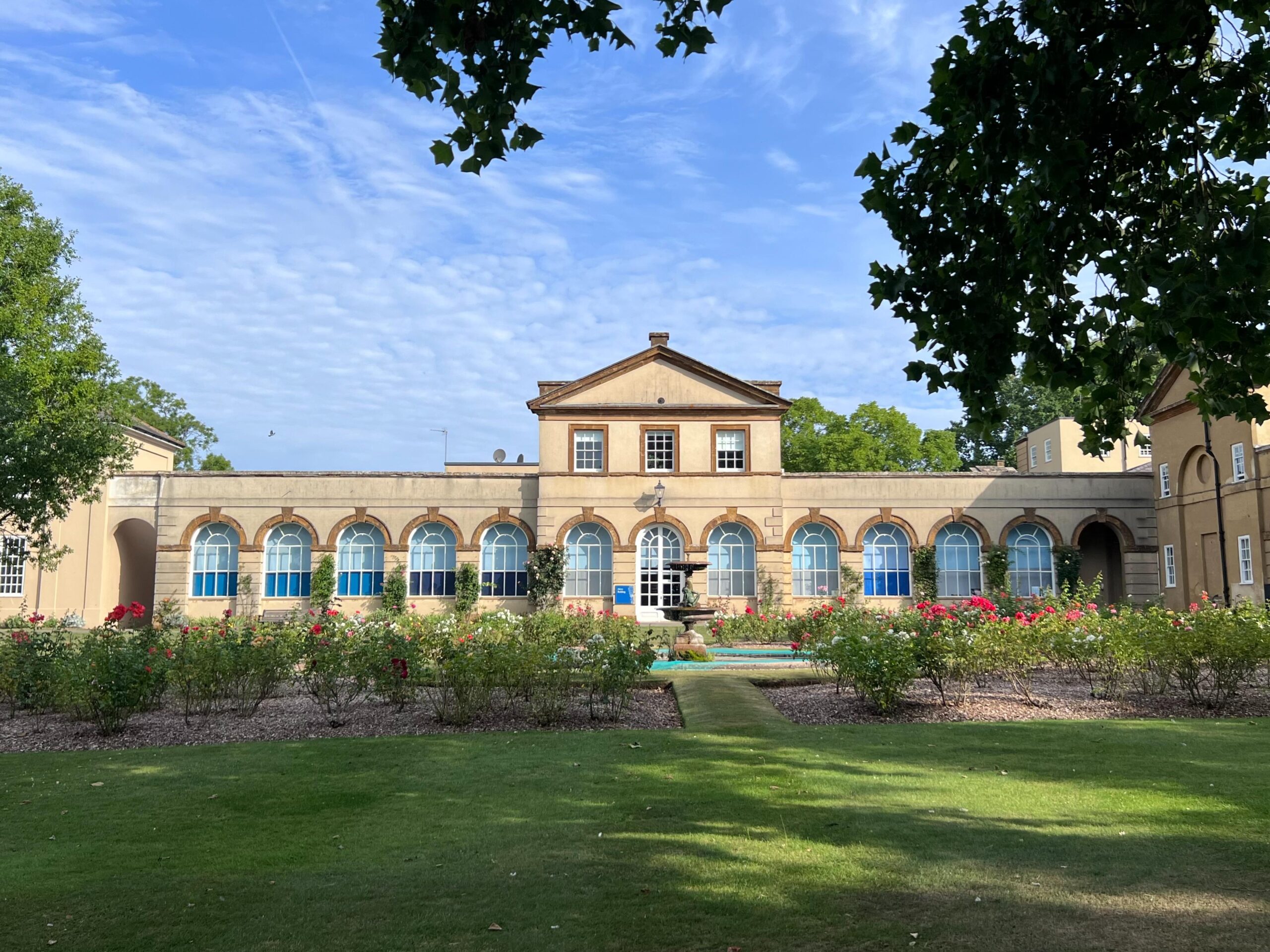
Vanbrugh designed Orangery at Stowe House ©Stowe House Preservation Trust
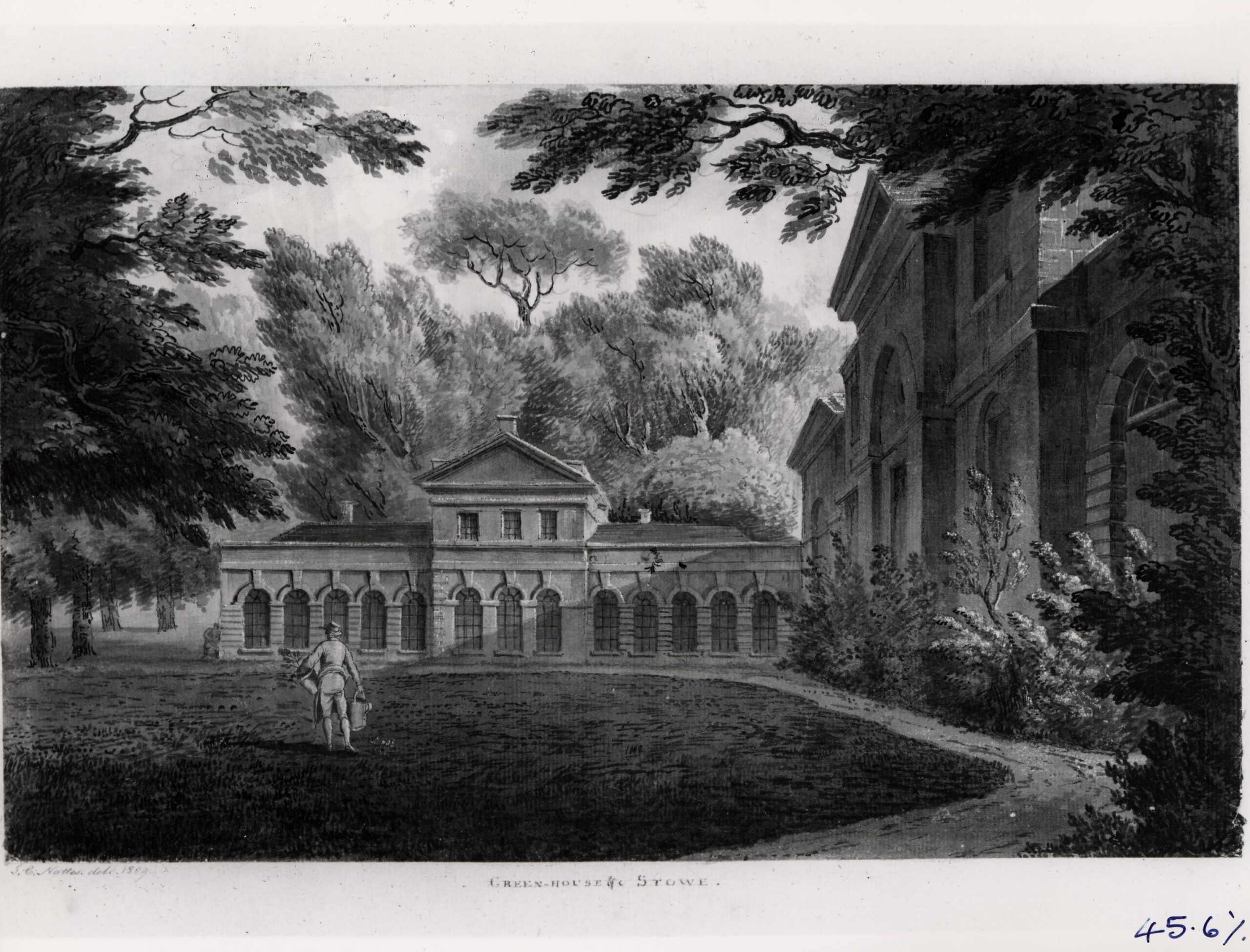
View of the Vanbrugh Orangery from south by J.C.Nattes 1809
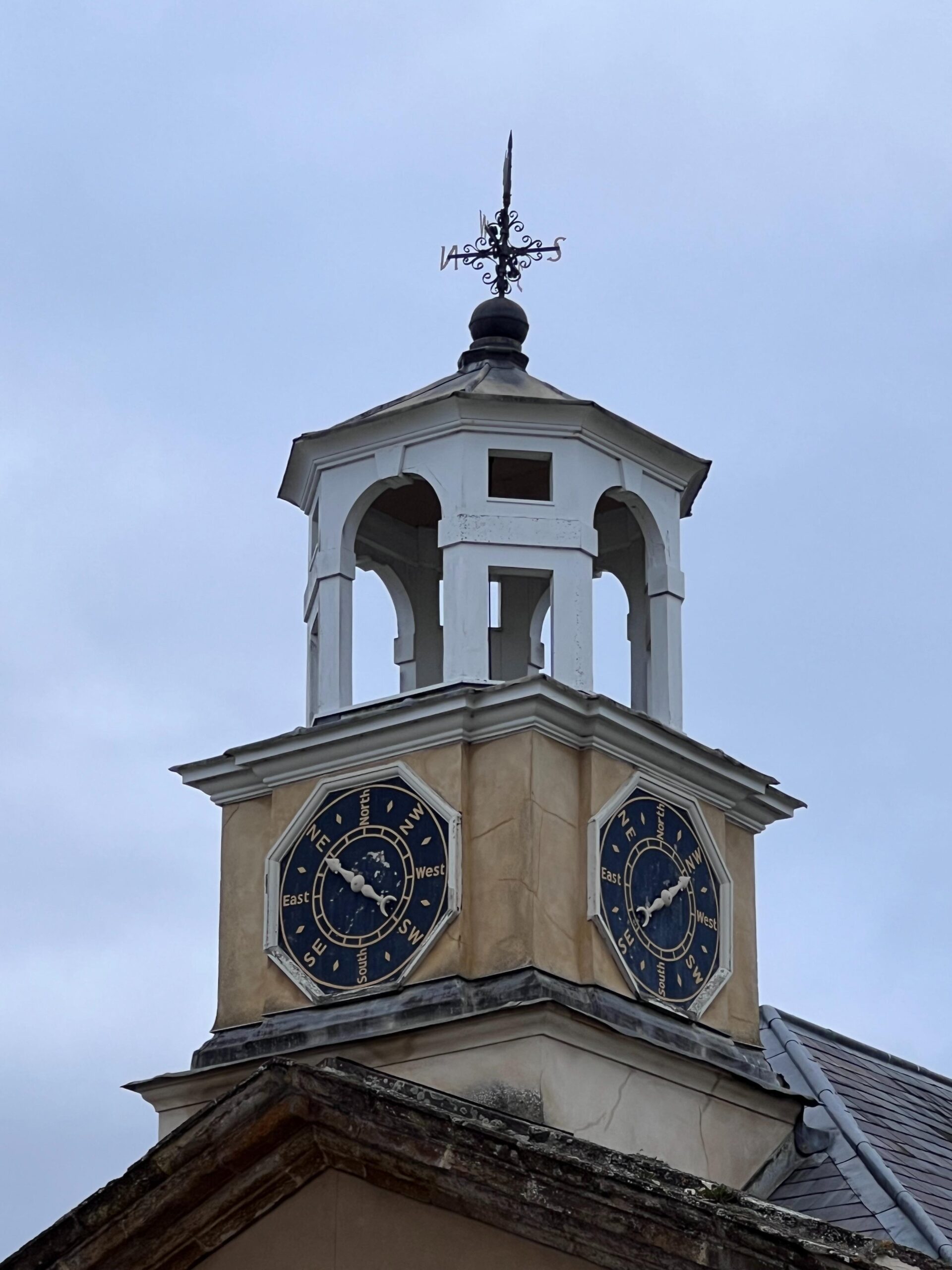
The Vanbrugh designed cupola, with weather vane on top of what was the Stables in Stable Court ©Stowe House Preservation Trust
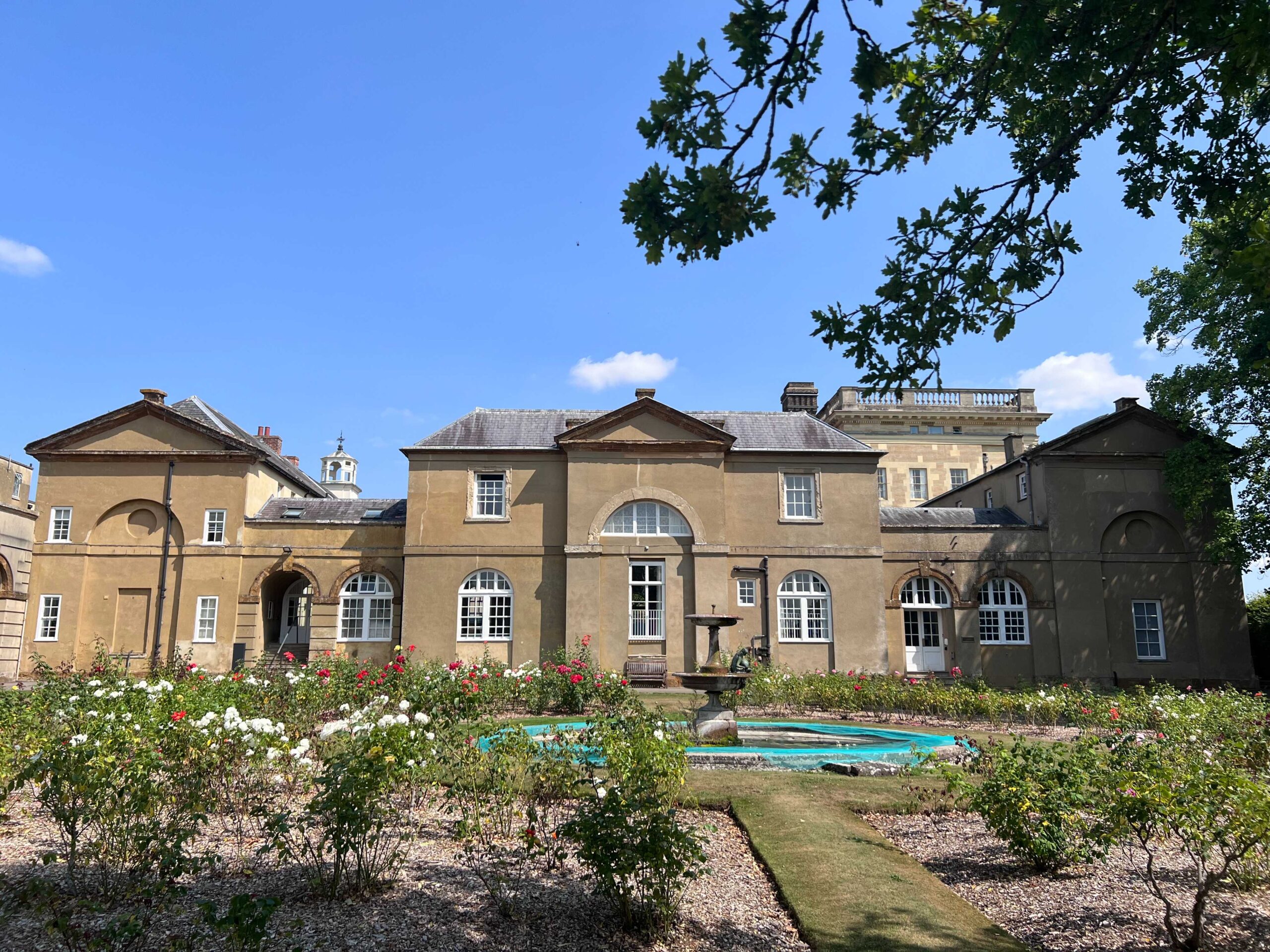
The West Offices - designed by Vanbrugh, once the Maid's Accomodation and Laundry ©Stowe House Preservation Trust
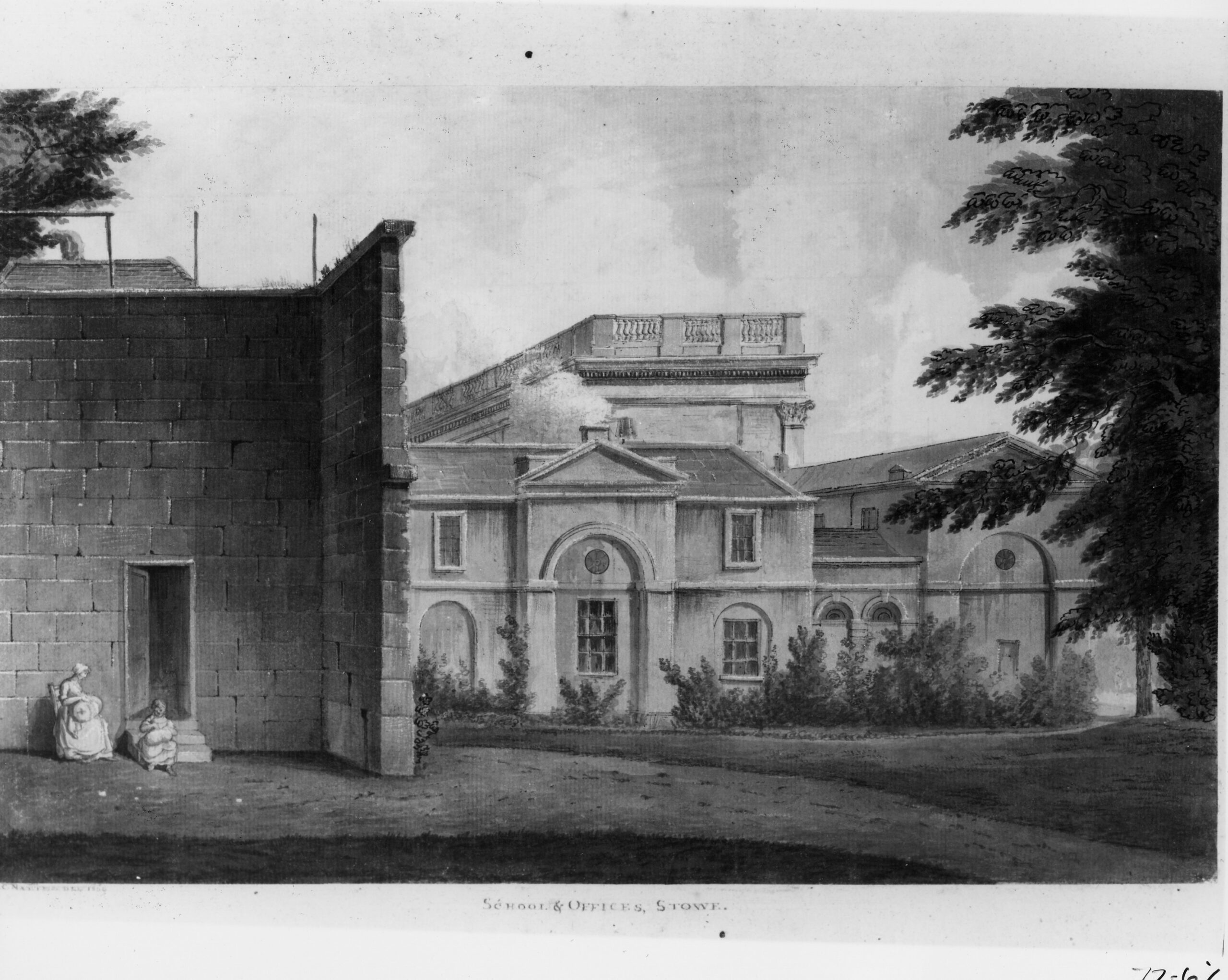
View of the Vanbrugh designed Orangery at Stowe. from West towards the Offices by J.C.Nattes 1809
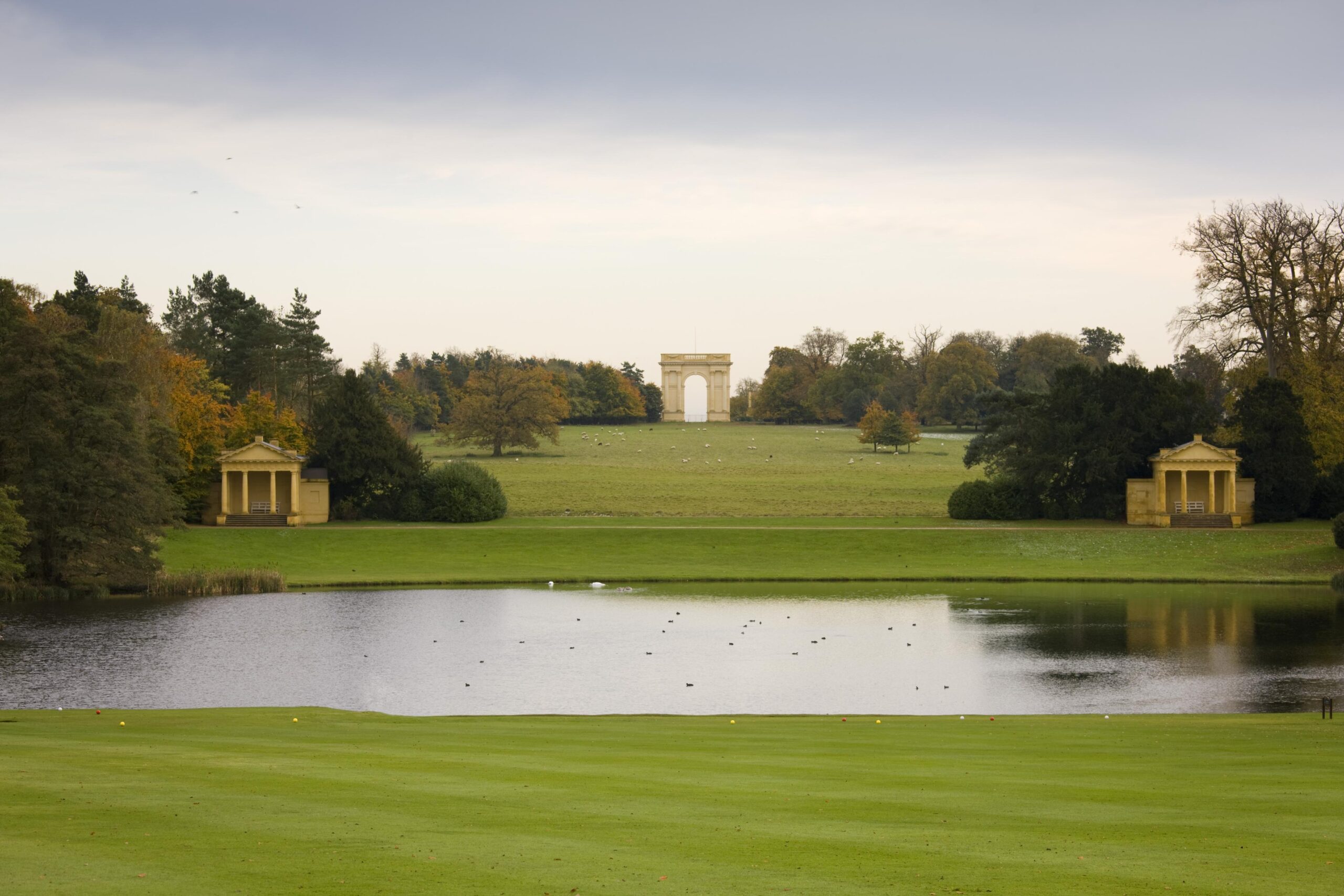
View across the Octagon Lake towards Vanbrugh's Lake Pavilions and Corinthian Arch ©National Trust Images Rod Edwards
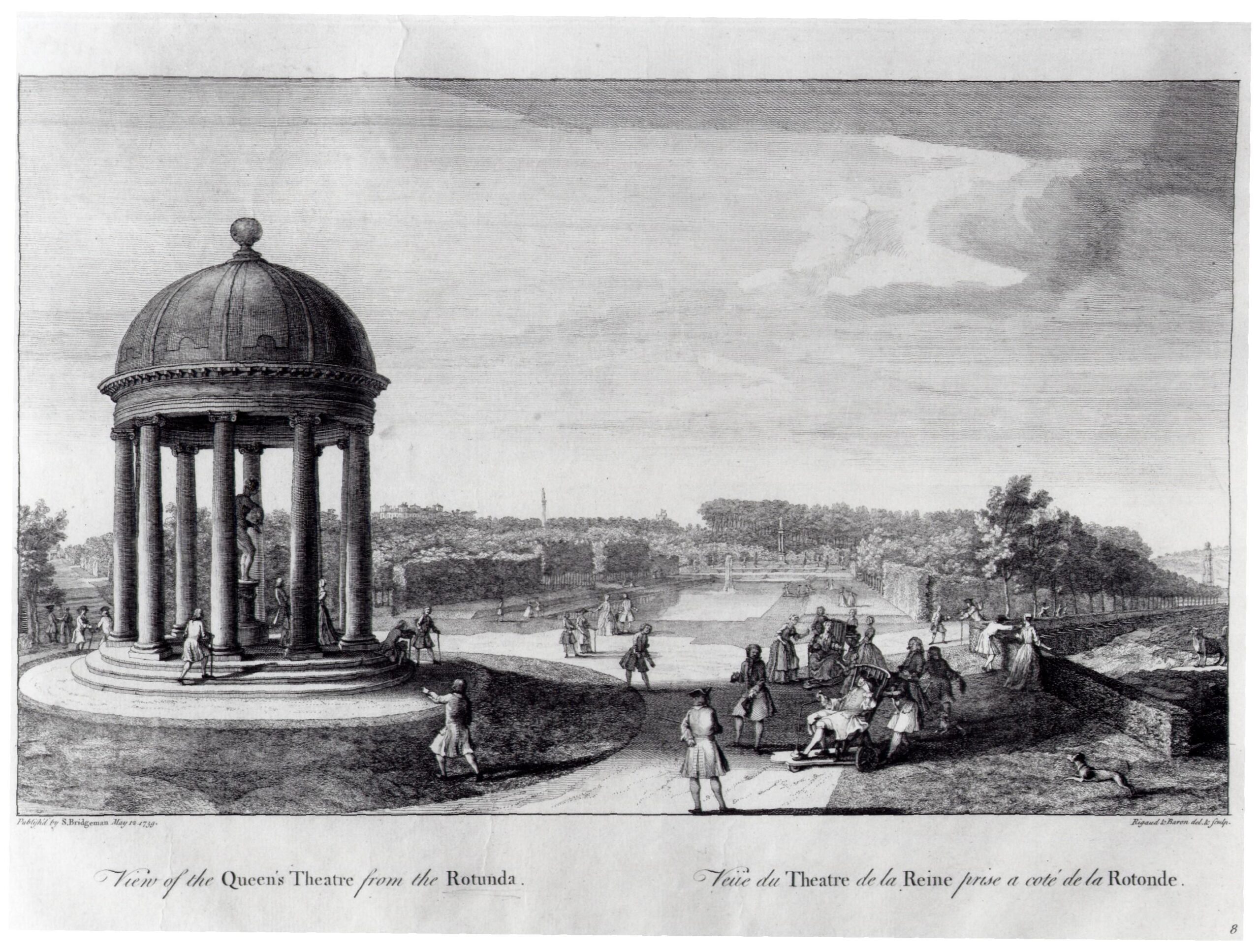
View of Vanbrugh's Rotunda in the garden at Stowe with a gilded statue of the Goddess Venus from a Riguard engraving and published by Sarah Bridgeman.
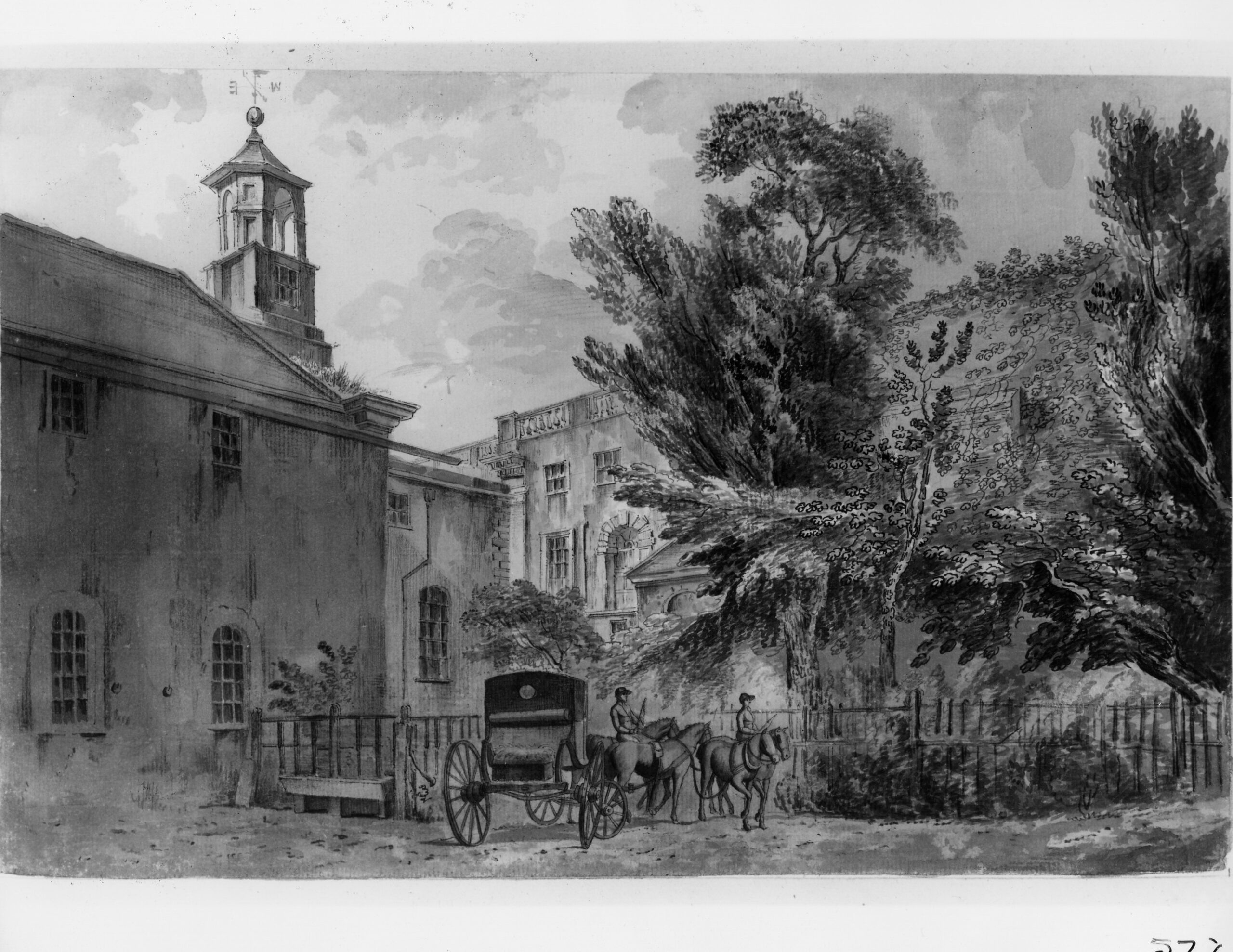
Stable Court (now Cobham Court) drawing by J.C.Nattes 1809 with Vanbrugh designed offices on the East of the house with stables, coach house & wagon house
A Year of Vanbrugh at Stowe
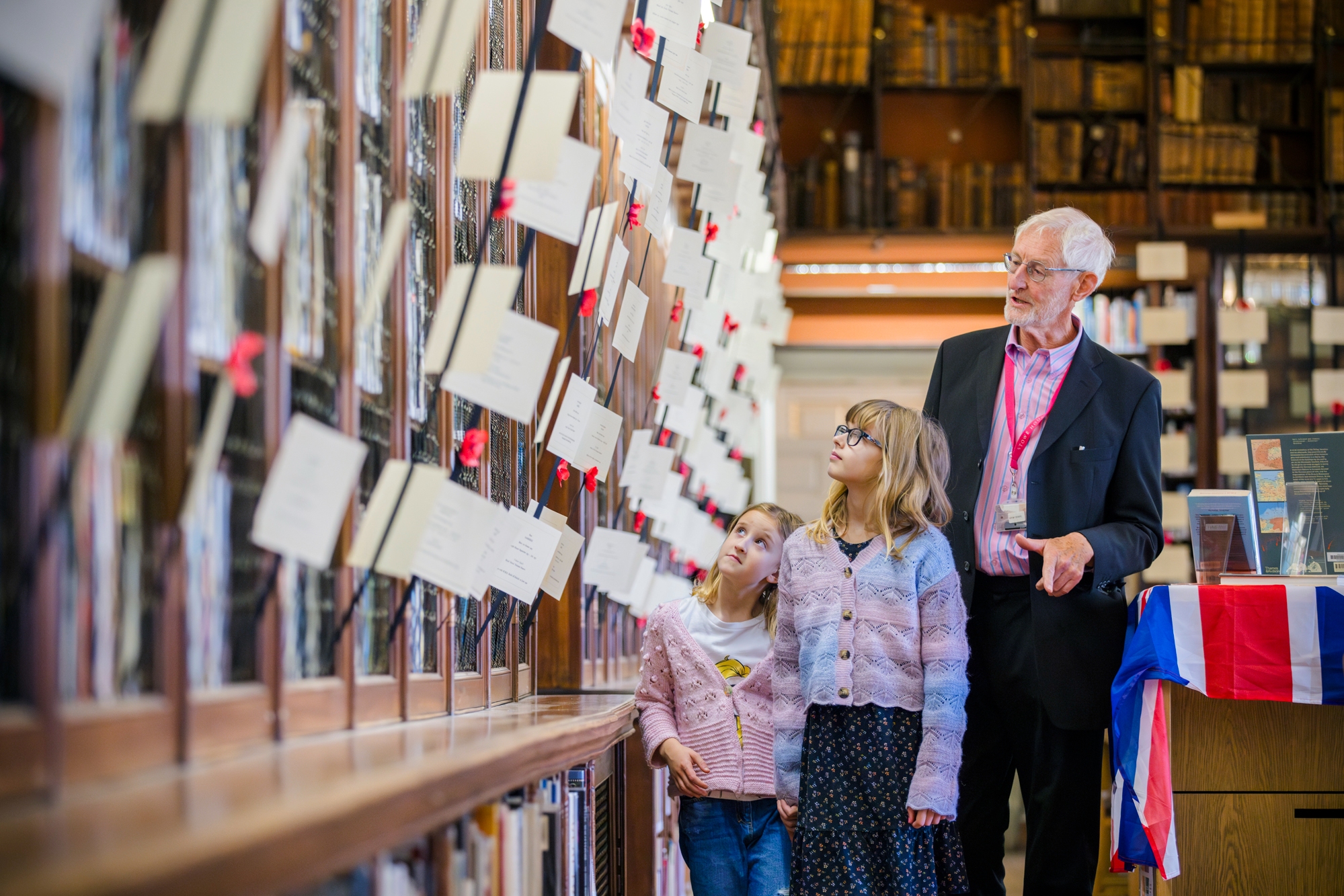
Our Vanbrugh300 programme has given visitors different ways to encounter this story, whether they arrived already knowing their Hawksmoors from their Vanbrughs or simply fancied finding out why his name appears so often in Stowe’s history. Throughout the year, talks have brought new scholarship and different perspectives to the House, while tours have looked more closely at Vanbrugh’s architectural contribution. Our exhibition in the Marble Saloon has placed his work at Stowe within the wider story of his life and career. In August, we turned our attention to our younger visitors with a special family weekend. Storytelling, drama workshops, activities and tours introduced Vanbrugh and his world in a rather different way. Out in the landscape, visitors have also been able to follow his legacy through buildings and monuments that remain part of a walk through Stowe today.
Two Lectures Remain
Francis Terry | 17 September | 6.00pm
Architect Francis Terry turns his attention to Vanbrugh’s work on Stowe House itself, considering the alterations and additions that helped shape the building we recognise today.
Michael Bevington | 15 October | 6.00pm
Our final lecture brings the series, and our Vanbrugh300 programme, towards a fitting conclusion. Michael Bevington considers Sir John Vanbrugh’s role in the making of Stowe and the legacy he left behind.
Visit our What’s On pages for full details and to book your tickets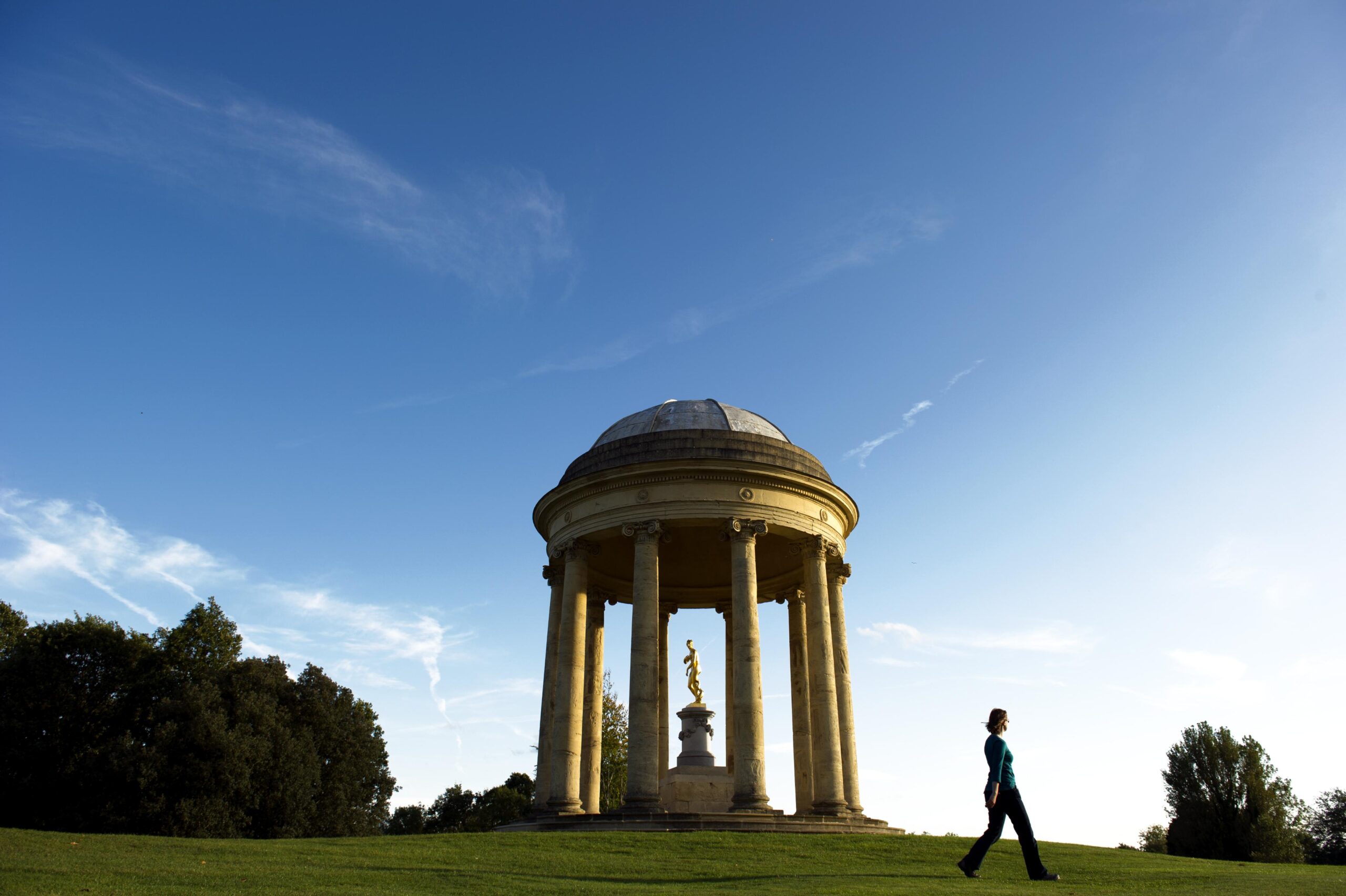
Garden Trail
Much of Vanbrugh’s legacy at Stowe can be spotted outdoors, woven into the landscape that visitors explore every day. Pick up a trail map from the National Trust Visitor Centre at the New Inn and discover key features shaped by his vision as you wander through the gardens.
Download an e-map hereLook a little closer
One of the pleasures of Vanbrugh300 has been the opportunity to look again at familiar parts of Stowe.
Vanbrugh’s contribution was not confined to grand architecture. His work included practical parts of the estate too, from bakehouses and laundry facilities to stables and offices. Some of these areas have changed considerably over the centuries and continue to serve new purposes today.
This is also a house created in layers. Stowe was repeatedly altered and expanded by different owners working with some of the leading architects and designers of their day. Understanding where Vanbrugh fits within that story helps make sense of the fascinating mixture visitors see now.
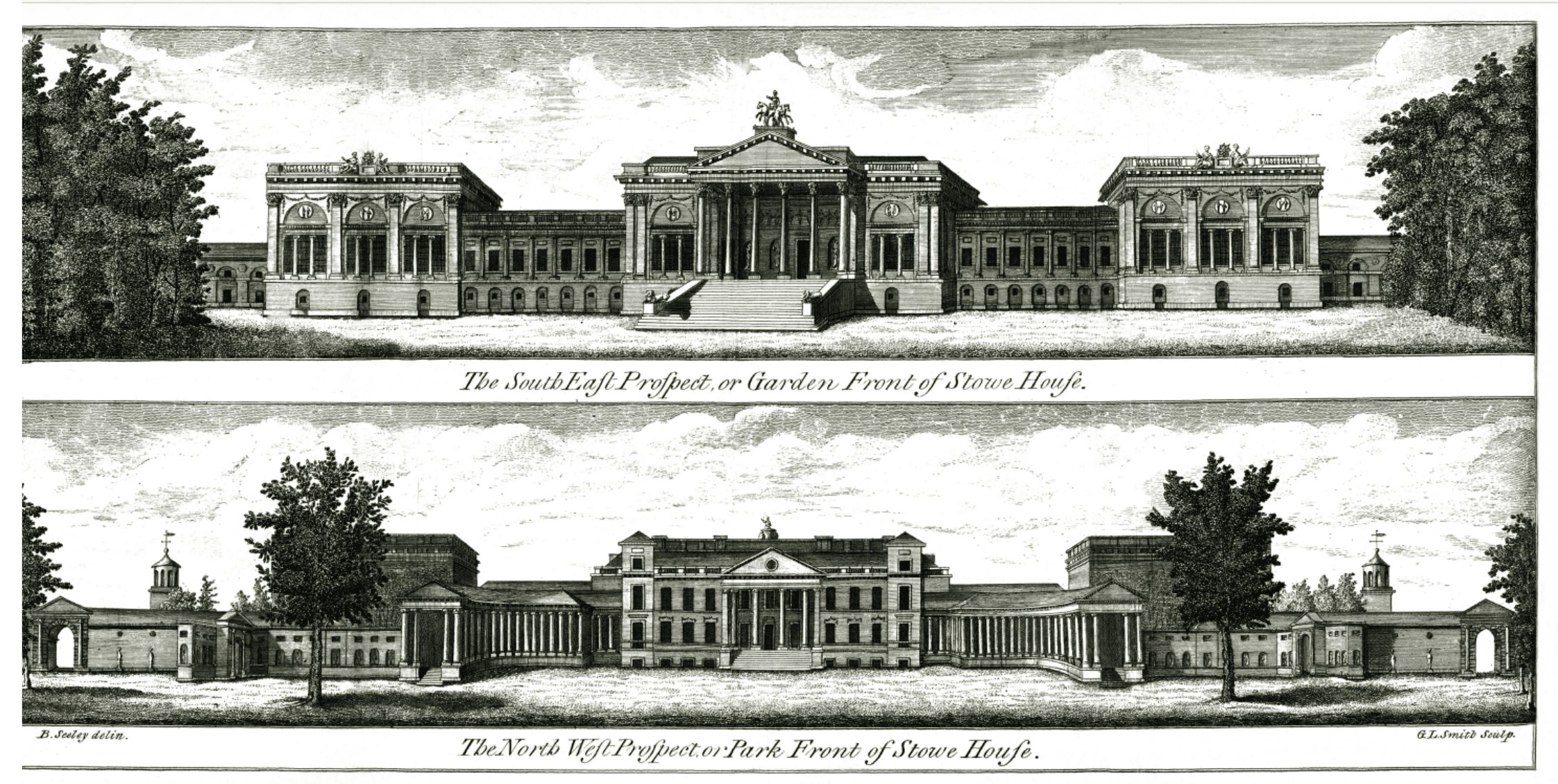
Our collections add further glimpses into his legacy. Historic guidebooks and engravings record the changing estate and include views of features associated with Vanbrugh, helping us understand how Stowe was seen by earlier generations of visitors.
Vanbrugh Beyond Stowe
Vanbrugh300 stretches far beyond Buckinghamshire. Stowe House has been taking part alongside five other significant sites associated with the architect. Each has approached Vanbrugh300 from its own perspective. Together, they show the remarkable breadth of his career and provide plenty of inspiration if your year at Stowe has left you wanting to know more.
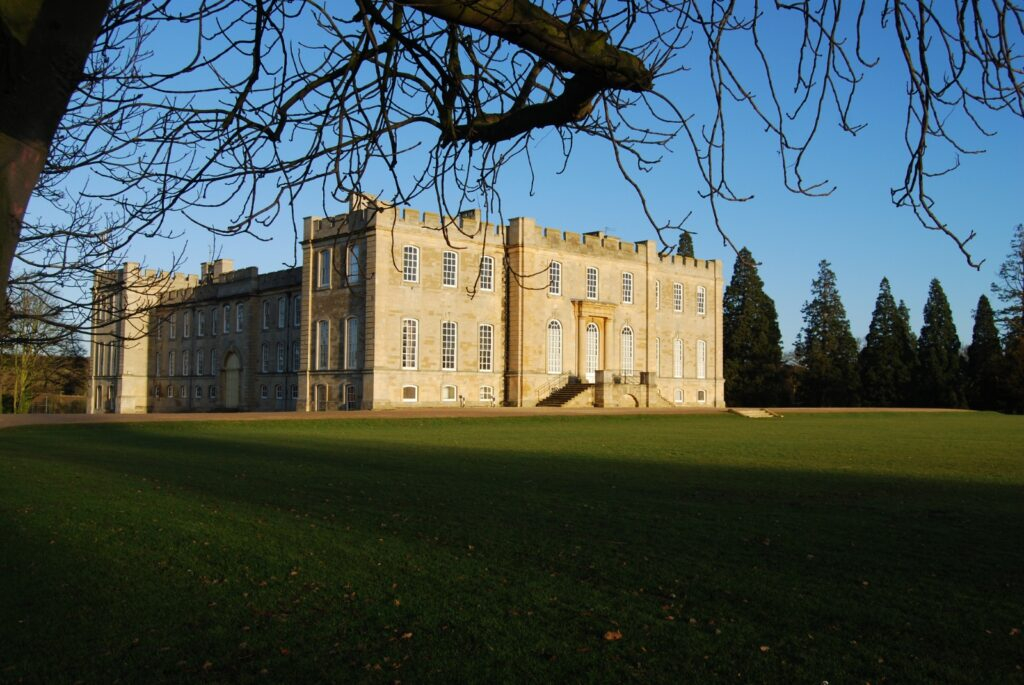
Discover Vanbrugh’s work at Kimbolton, where his architectural ideas intersect with a long and complex history of royal and aristocratic life.
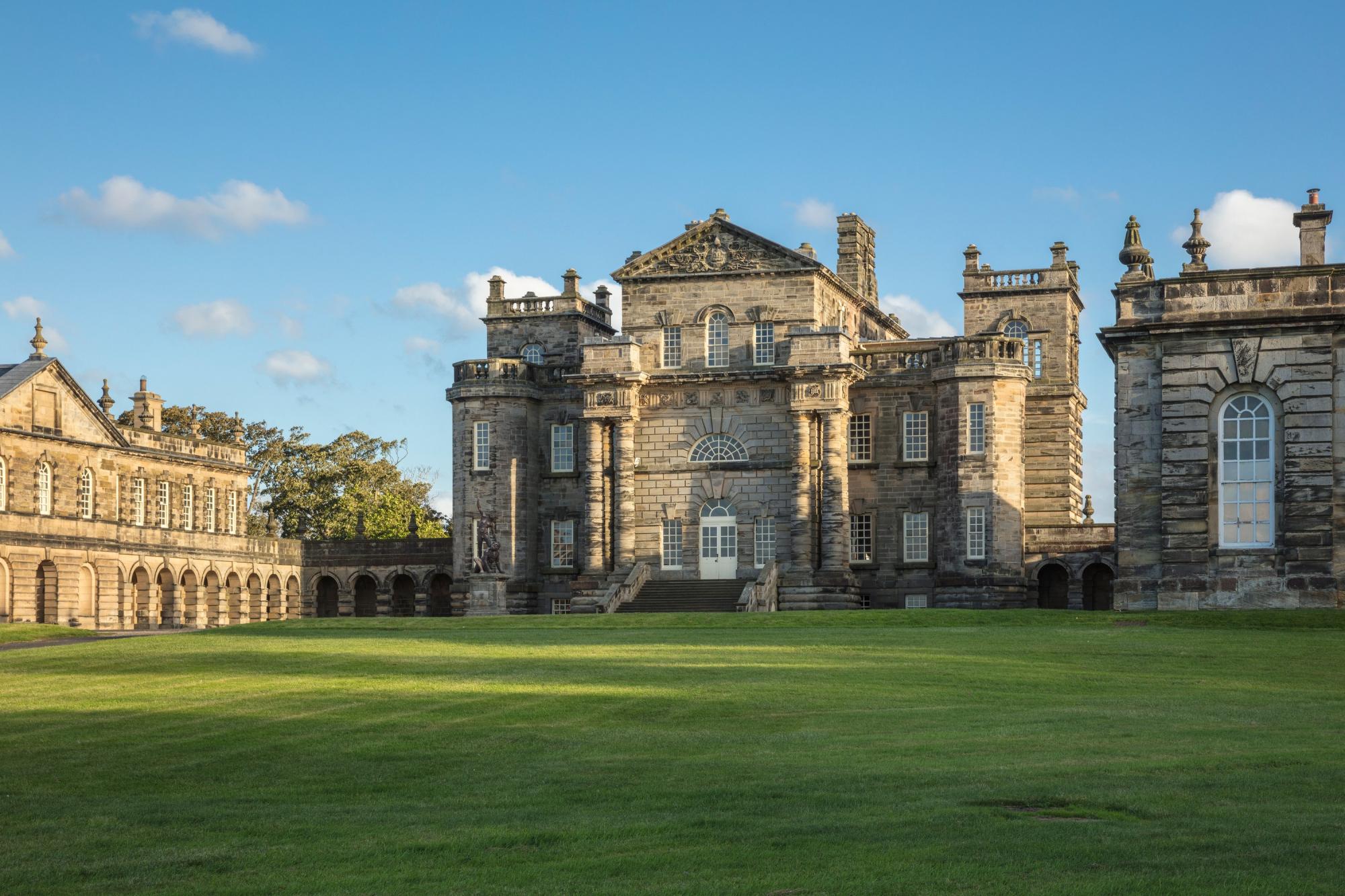
Often described as Vanbrugh’s most personal masterpiece, Seaton Delaval Hall offers a striking and atmospheric insight into his mature architectural style.
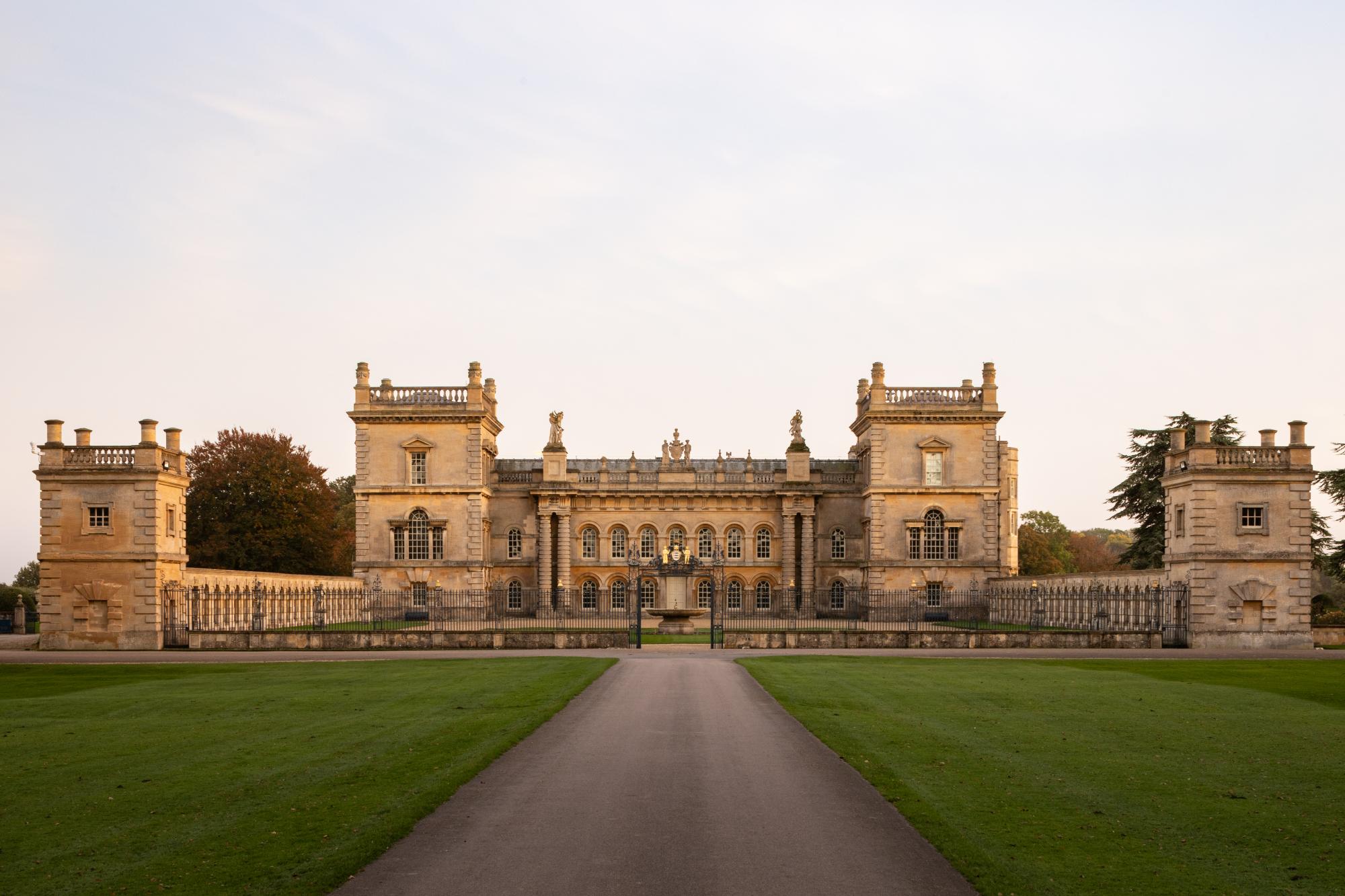
At Grimsthorpe, Vanbrugh’s influence can be traced through bold architectural interventions that reshaped an earlier house for a new age.
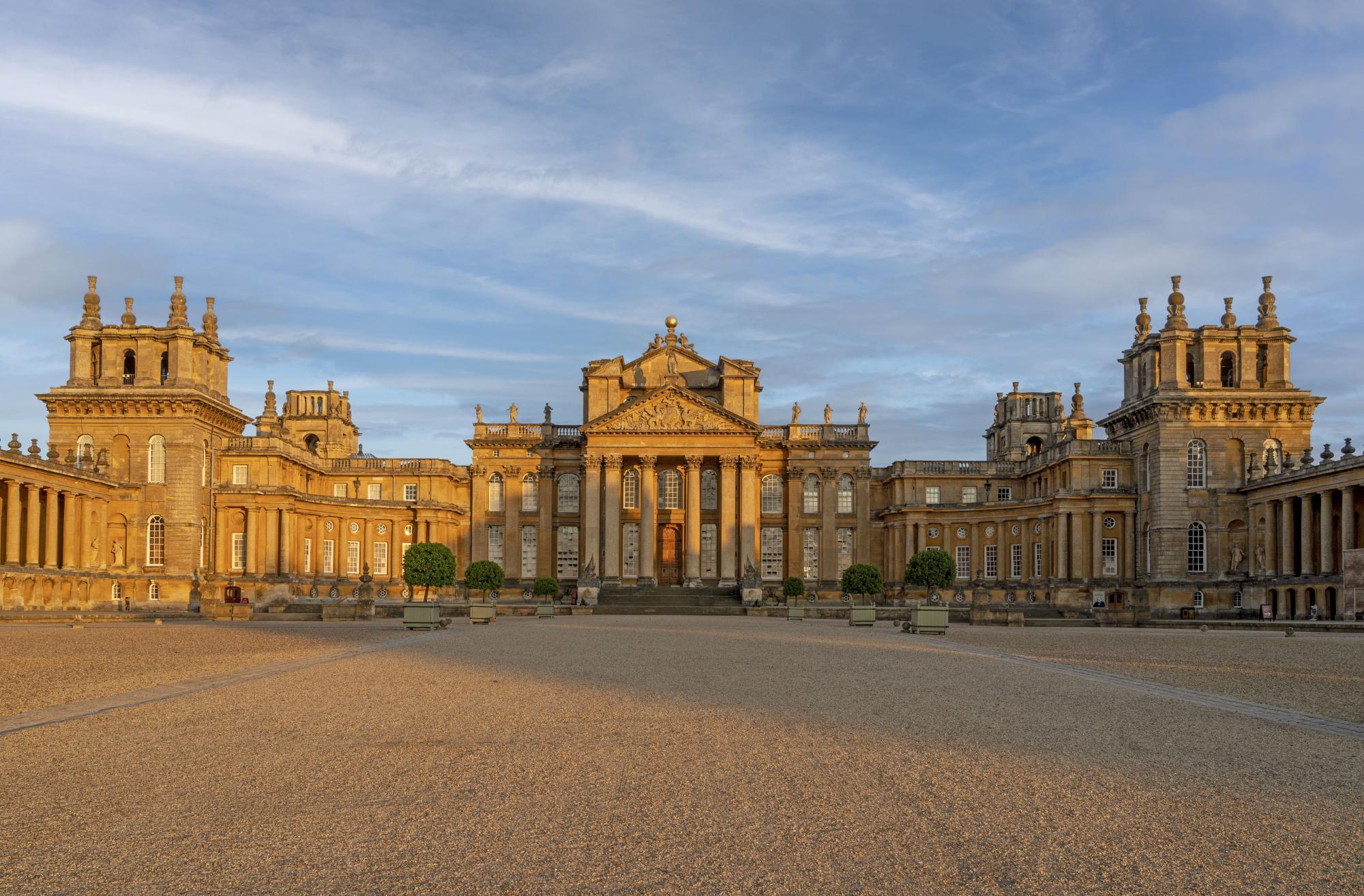
Explore one of Vanbrugh’s most famous and ambitious projects, a monumental statement of power, politics and design that continues to provoke debate and admiration.
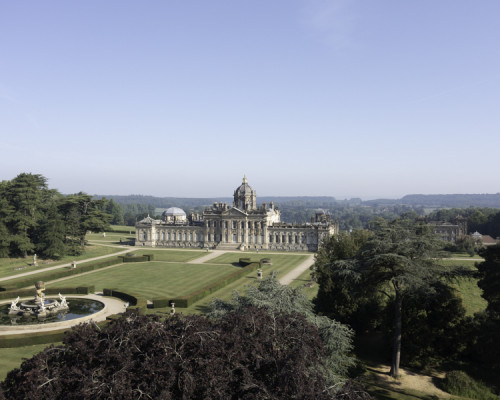
A collaboration of vision and scale, Castle Howard remains one of the most celebrated country houses in England, reflecting Vanbrugh’s flair for drama and grandeur.
Take Part in a Vanbrugh300 Competition
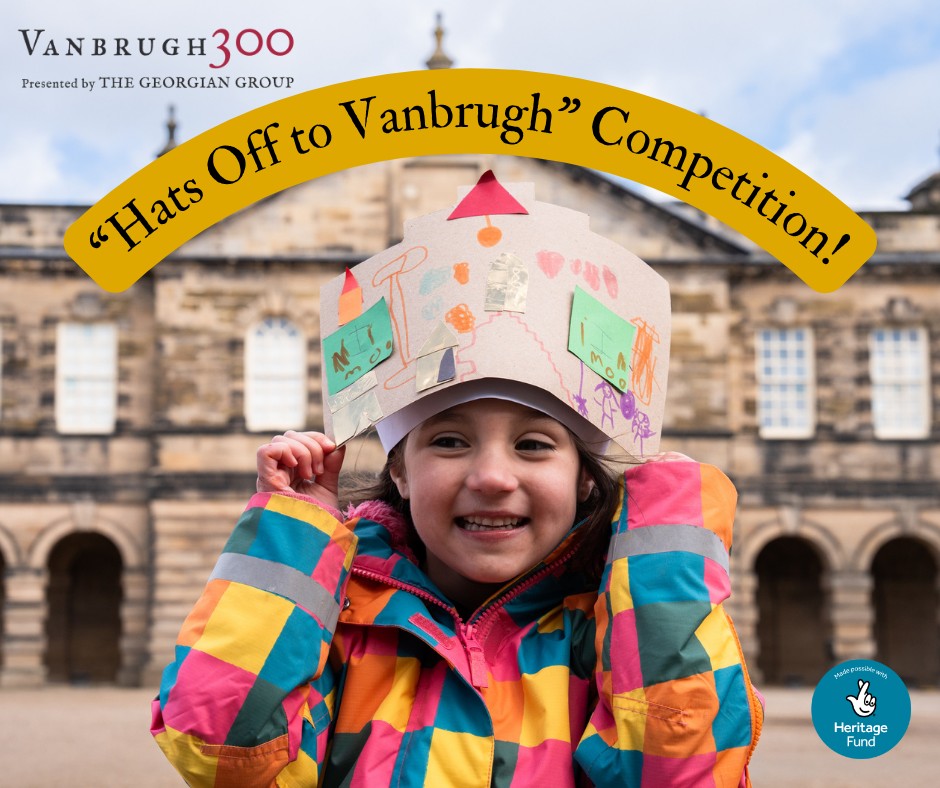
As part of the Vanbrugh300 celebrations, why not get involved and share your creativity? Young architects and makers aged 5 to 11 can enter the Hats Off to Vanbrugh! competition, designing a piece of wearable architecture inspired by one of Sir John Vanbrugh’s remarkable buildings. There are prizes for two age categories, with winning designs showcased online and rewarded with a family ticket to visit a Vanbrugh300 partner house.
Adults can also take part through Responses to Vanbrugh, a writing competition inviting visitors to share their thoughts, reflections and reactions to Vanbrugh’s life, architecture and legacy. The winning entry will be published on the Vanbrugh300 website and featured in the festival newsletter.
Ready to take part? Visit the Vanbrugh300 website to find out more, download competition materials and submit your entry.